What Dry January Really Means for Draft Line Maintenance 🍺
Why Slower Pouring Doesn’t Mean Less Cleaning
Every January, many bars and restaurants see a shift in drinking habits as customers participate in Dry January. With fewer beers being poured, it’s easy to assume that draft systems don’t need as much attention during this slower period.
In reality, the opposite is often true.
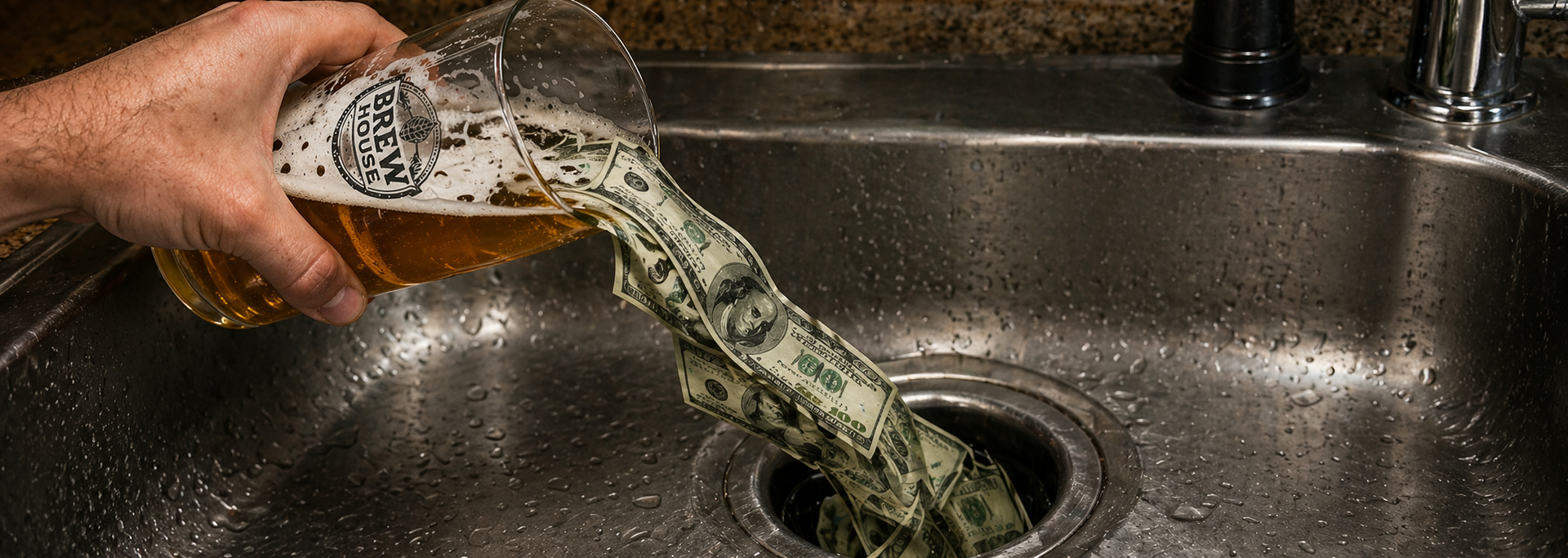
When beer sits longer in unused or lightly used draft lines, residue has more time to settle inside the tubing. Yeast, proteins, and sugars can cling to the line walls, creating an ideal environment for biofilm to develop. Unlike systems that see steady flow, low-usage lines can actually experience more buildup—leading to off-flavors, inconsistent pours, and excessive foam once traffic picks back up.
This is why consistent, scheduled draft line cleaning is essential year-round, regardless of season or sales volume. Maintaining a regular cleaning program helps ensure:
- Fresh, true-to-style flavor in every pour
- Proper carbonation and foam control
- Reliable draft system performance when demand returns
Dry January may slow the taps, but it doesn’t pause what’s happening inside the lines. Staying proactive now prevents bigger issues later—saving time, product, and frustration when customers are ready to order again.
If you’re evaluating your draft maintenance strategy for the new year, consistency is key.
👉 Explore consistent draft care options with a free quote.